









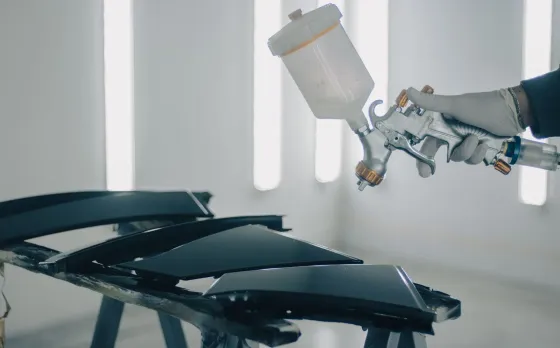


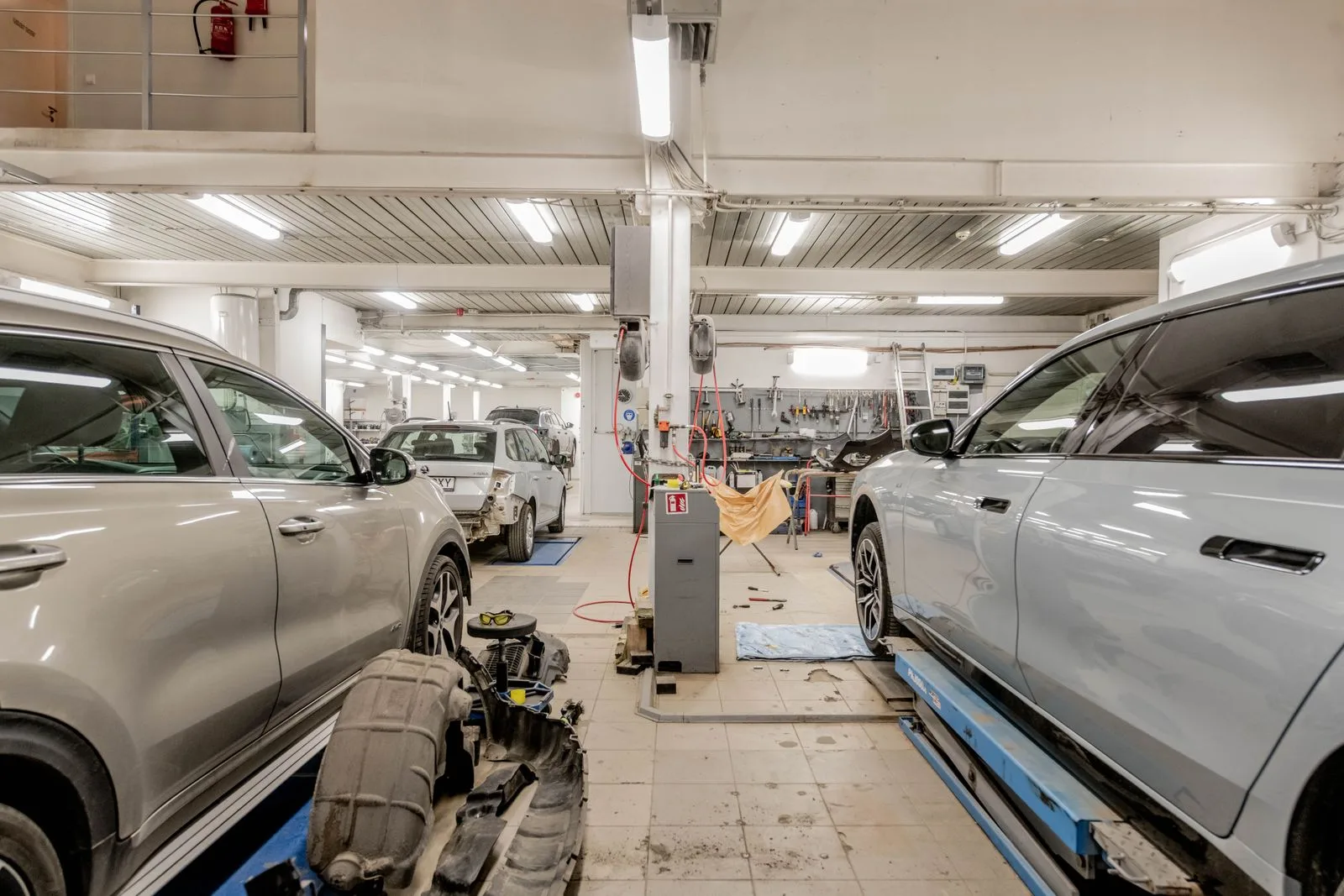
Somebody else ran into you. The shop did clean work, the panels line up, the paint matches. You still lost money the day it happened, and the check you got didn’t cover it.
The repair fixed the car. It didn’t fix the price.
That wreck is now on the vehicle’s history report, and it stays there. Carfax estimates as many as 40 percent of vehicles on US roads carry some damage in their history, roughly 110 million cars, and that one in four damaged cars gets sold within a year of the incident. Its own pricing analysis put the average hit to a used car’s retail price at about $400 where the damage was minor and about $1,500 where it was severe.
Nobody hands you that money. You have to ask for it, and most drivers never learn there’s something to ask for.
The claim has a name: diminished value. It’s the gap between what your car was worth the morning of the crash and what it’s worth now that a buyer can pull up the accident. Courts have been sorting this out for decades, and the subrogation firm Matthiesen, Wickert and Lehrer lists fifteen jurisdictions that allow third-party recovery for it: Arizona, Colorado, Florida, Georgia, Illinois, Indiana, Iowa, Kansas, Louisiana, Maryland, New Mexico, New York, Oregon, South Carolina, and Virginia.
Third-party is the part people get wrong. The claim goes to the insurer of the driver who hit you, not to your own carrier.
Your own carrier usually owes you nothing here, and that’s not the adjuster being difficult. In most states the policy promises to repair the car, and courts have read that promise as the whole job. Georgia read it differently. In 2001 the state supreme court decided in State Farm v. Mabry that “loss” covers the value still missing after a proper repair, and State Farm was ordered to pay $150 million in attorneys’ fees and settlement costs and to build a claims process that evaluates and pays first-party diminished value. Georgia drivers get to bill their own insurer. Almost nobody else does.
So who should bother? If you weren’t at fault, your car is newer, and the damage was more than a scuffed bumper, this is real money and worth the paperwork. If you were at fault, or the car was totaled, stop reading. A total loss carries no diminished value claim, because the carrier paid you actual cash value instead of fixing anything.
Check three things this week. One: pull your state off that list and confirm it’s there. Two: confirm the other driver was found at fault and your car was repaired, not written off. Three: get an independent appraisal in writing, one that documents what comparable cars without an accident history are actually selling for.
Then file the claim with the at-fault driver’s insurer directly and hand them the appraisal. Don’t take the adjuster’s first number as the ceiling. Their opening figure is a starting position, and a documented appraisal is the thing that moves it.
One caveat on timing. Filing windows for this are set by each state’s statute of limitations on property damage, and they vary. Ask a local attorney or your state insurance department for the deadline that applies to you rather than assuming you have years.
If the crash also spiked your renewal, that’s a separate fight and a separate move: our auto insurance hub walks through re-shopping, and our best-rated picks are the fastest place to start comparing.
How Candid Yak makes money. Some of the products we write about pay us if you apply or sign up through our links. That never changes our verdict, our rankings, or the numbers in this article. We call a bad deal a bad deal whether it pays us or not. Some brands shown in our comparison tools are placeholder examples while we finalize partner agreements, and we label them as such.