













What You Are Actually Paying For
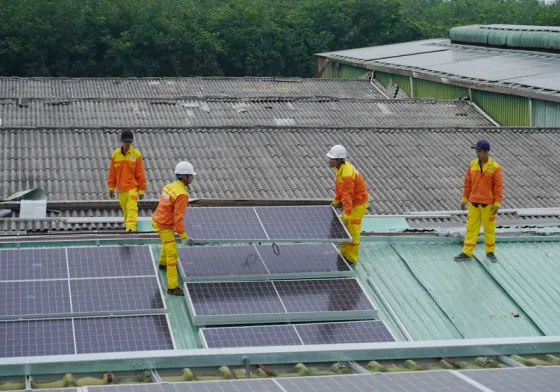
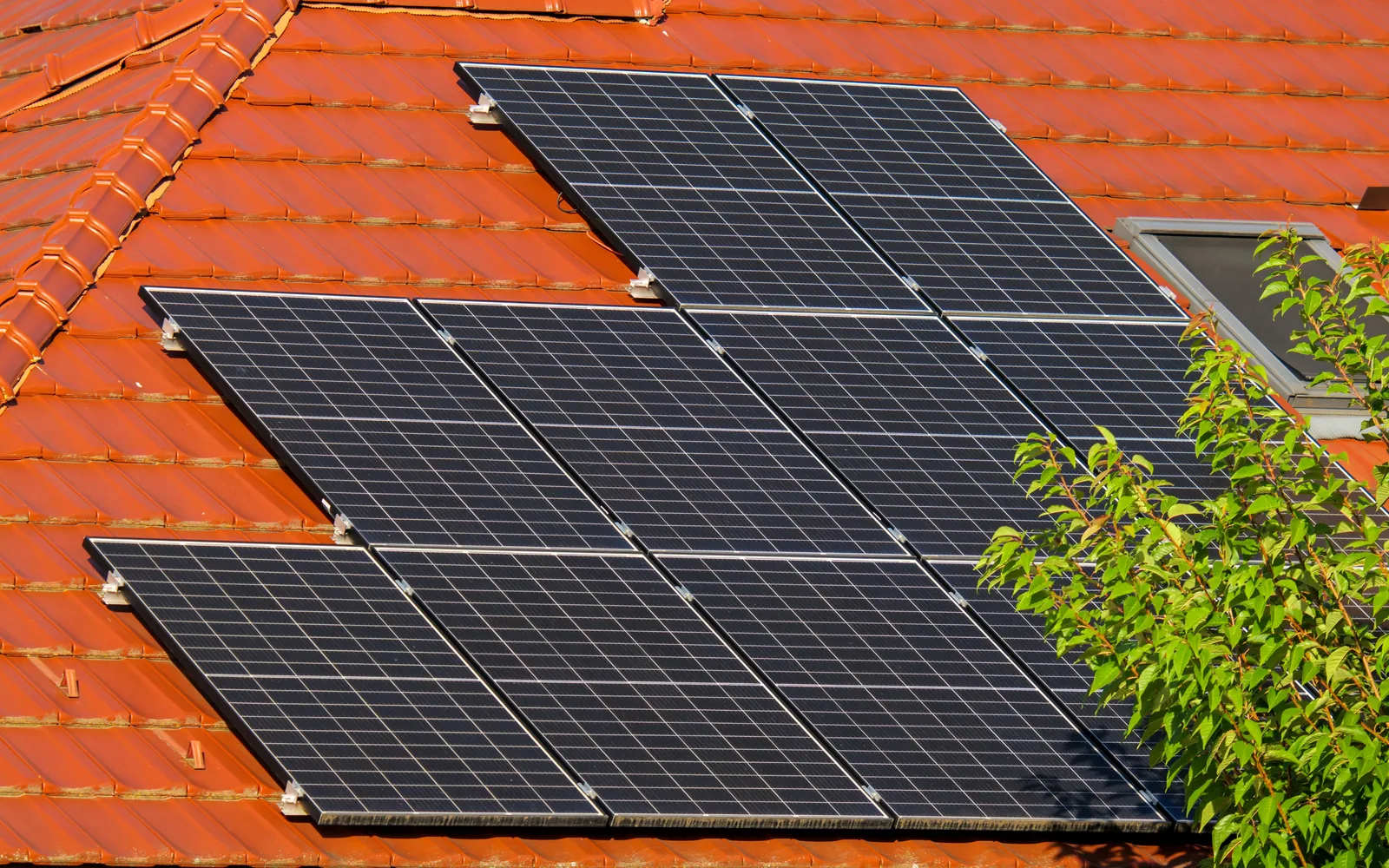
A solar installation cost covers several pieces: the solar panels themselves (typically 30% to 35% of total cost), the inverter system (10% to 15%), mounting hardware and racking (5% to 10%), electrical components and wiring (5% to 10%), and labor and permits (25% to 40%). Knowing the breakdown helps you size up quotes and pin down where cost differences between installers come from.
Panel quality and brand move the cost a lot. Tier 1 panels from manufacturers like LG, REC, Panasonic, and SunPower carry a premium over commodity panels from lesser-known brands. The premium buys higher efficiency (more power per square foot), better warranty terms, and stronger long-term performance guarantees. For homeowners with limited roof space, the efficiency premium may be worth paying.
Inverter technology also drives cost variation. Microinverters (Enphase) and power optimizer systems (SolarEdge) cost more than string inverters but provide panel-level monitoring and shrug off shading better. For roofs with complex angles or nearby trees, the performance edge may justify the extra cost.
Average System Costs by Home Size
A small home with 600 to 800 square feet and monthly electricity bills of $80 to $100 typically needs a 4 to 5 kW system. Before incentives: $11,200 to $17,500. After 30% federal credit: $7,840 to $12,250.
A mid-sized home with 1,500 to 2,500 square feet and monthly bills of $130 to $200 typically needs a 7 to 10 kW system. Before incentives: $19,600 to $35,000. After 30% credit: $13,720 to $24,500.
A larger home or a home in a hot climate with heavy air conditioning load may need 12 to 15 kW. Before incentives: $33,600 to $52,500. After credit: $23,520 to $36,750.
These are national averages. Costs in California, New York, and New England tend to run higher because of labor costs and permit complexity. Costs in Texas, Florida, and the Southeast tend to land at or below the national average.
How Incentives Change the Math
The 30% Residential Clean Energy Credit is the heaviest single incentive and is available nationally for systems installed through at least 2032 under current law. On a $25,000 system, the credit is $7,500, applied against your federal income tax bill. If you owe $5,000 in federal taxes for the year you install, the credit wipes out that liability and the remaining $2,500 rolls over to the following year.
State tax credits stack on top of the federal credit. Massachusetts offers a 15% state credit (up to $1,000). New York offers a 25% state credit (up to $5,000). These are real additional offsets to the installation cost and can cut net cost by 35% to 50% or more in the most incentive-rich states.
Property tax exemptions mean the added home value from solar gets left out of your property tax assessment in most states. That is a long-term financial benefit that compounds as the system ages.
Getting Accurate Quotes
The single most important move in solar cost evaluation is collecting multiple quotes. National Renewable Energy Laboratory and EnergySage data consistently show that homeowners who get three or more quotes save an average of 10% to 20% compared with those who go with the first installer they contact.
Request quotes from at least two national installers and two to three local or regional installers. Insist every quote spells out: exact panel brand and model, inverter type and brand, system size in kW, total production estimate in kWh per year, total cost, and estimated performance over 25 years. Without those details, comparing quotes is impossible.