













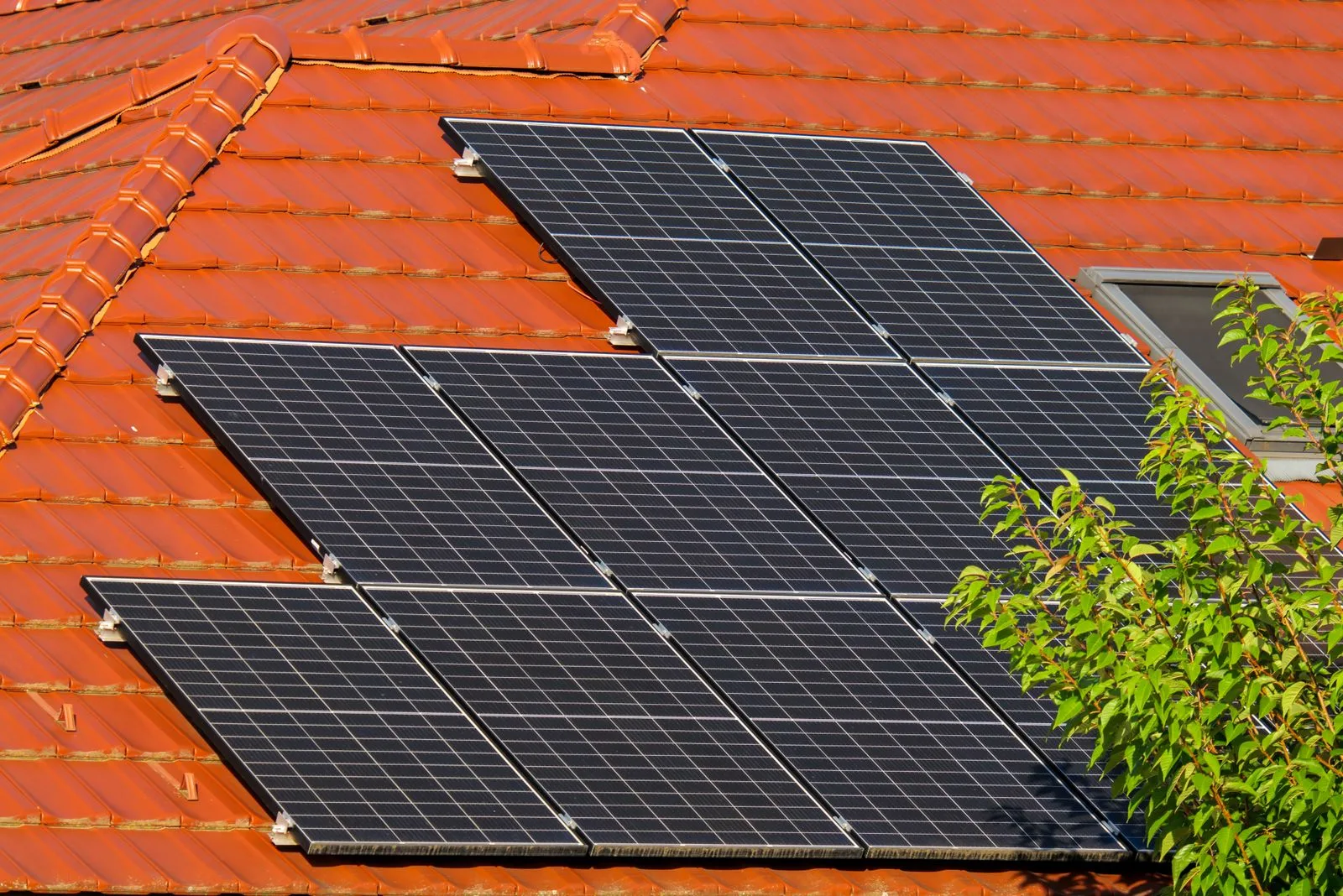
If you’re about to sign for rooftop solar, the financing page decides something the sales pitch never mentions. It decides whether those panels count as value on your home, or count as nothing at all.
Same panels. Same roof. Same output. Fannie Mae’s rulebook sorts them into four buckets, and two of those buckets appraise at zero.
The rules sit in the Fannie Mae Selling Guide, section B2-3-04. Any lender writing a conventional loan meant for Fannie Mae follows them, which covers most of the mortgage market.
Buy the panels outright, or finance them and pay the loan off, and “our standard requirements apply (for example, appraisal, insurance, and title).” The panels are part of the house. An appraiser can credit them.
Lease them, or sign a power purchase agreement where you buy the electricity they make instead of the hardware, and the guide is blunt: “The value of the solar panels cannot be included in the appraised value of the property.”
Then there’s the third bucket, the one nobody walks you through at the kitchen table. Take a solar loan where the lender never records a UCC fixture filing in the land records, and your mortgage lender is told to “instruct the appraiser not to provide contributory value of the solar panels.” You owe every dollar of that loan. The panels appraise at zero.
Fourth bucket is the same loan with a fixture filing recorded. Now the appraiser is instructed to consider the panels in the value, the debt goes into your ratios, and one line matters: “If a UCC fixture filing is in the land records as a priority senior to the mortgage loan, it must be subordinated.”
Here’s what that does to you in a sale or a refinance. A lease or a PPA hits twice. The panels add nothing to the appraisal, and the monthly payment usually lands in the debt-to-income calculation, the ratio that decides how much house a lender will let you or your buyer carry. Fannie Mae carves out an exception only for a lease that delivers a set amount of energy at a fixed payment with a production guarantee, or a PPA that bills purely for what the panels produce.
Leasing is questionable. A solar loan with no fixture filing is worse, because you carry the whole debt and get credit for none of the asset.
Ask the salesperson one question before you sign, and get the answer in writing: is this a lease, a PPA, a loan with a fixture filing, or a loan without one? That answer changes what your house appraises for.
If you already hold a lease and you’re selling, start the transfer now, not at closing. EnergySage lays out the seller’s four moves: hand the lease to the buyer, buy out the balance, buy the system at fair market value, or cancel early and eat the penalty. Escalators of 1 to 5 percent a year keep lifting the payment your buyer has to swallow, and a buyout price, in their words, “can be steep.”
Refinancing with a fixture filing on record? Call your title company this week and ask whether it sits senior to the mortgage. Finding that out three days before closing is how closings slip.
One last piece of the filing. A “precautionary” UCC filing, the kind a lessor records just to flag that it owns the equipment, counts to Fannie Mae as “a minor impediment to title,” so long as the only collateral described is the solar gear and not your home or the land beneath it. Read what the filing actually covers.
Run your own numbers in our solar savings calculator before a salesperson runs them for you. Our solar hub has the rest.
How Candid Yak makes money. Some of the products we write about pay us if you apply or sign up through our links. That never changes our verdict, our rankings, or the numbers in this article. We call a bad deal a bad deal whether it pays us or not. Some brands shown in our comparison tools are placeholder examples while we finalize partner agreements, and we label them as such.