













Ranking
Best Solar Companies of 2026
Our top-rated solar installers, scored on pricing, warranty, and financing.
| Rank | Company | Best for | Key stat | Score | Apply |
|---|---|---|---|---|---|
| 1 |  SunrunSolar | Best for leasing and financing | Largest US home solar and storage company; flexible leasing | 9/10 | |
| 2 | TeslaSolar | Best for battery and value | US-made 415W and 420W panels; Powerwall integration | 8.9/10 | |
| 3 | PalmettoSolar | Best for monitoring and transparency | Tech-first; strong monitoring | 8.8/10 | |
| 4 | ION SolarION Solar | Best full-service install | Full-service install in 13 states | 8.3/10 | |
| 5 | Freedom ForeverSolar | Not currently a buying option | Converted to Chapter 7 liquidation in August 2026 | 2/10 |
How the Solar Installation Market Works
The U.S. residential solar market has grown a lot over the past decade. Panel costs have fallen, federal tax credits have stayed in place, and grid electricity prices keep climbing. In 2026, a typical 8 kilowatt residential system costs between $18,000 and $28,000 before incentives. The 30% federal solar Investment Tax Credit (ITC) cuts out-of-pocket costs hard for qualifying homeowners.
The market mixes national companies, regional players, and thousands of local installers. National companies offer brand recognition and standardized processes but usually charge a premium. Local and regional installers often beat them on price and personal service, though their financing menus can be thinner.
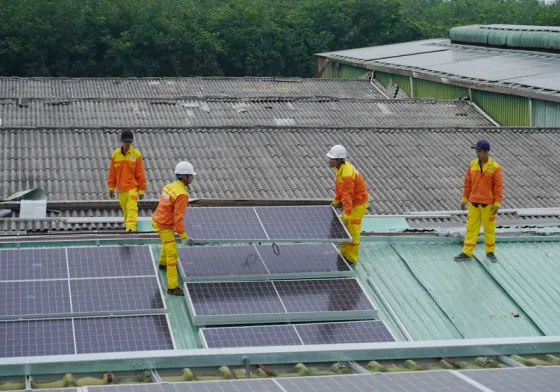
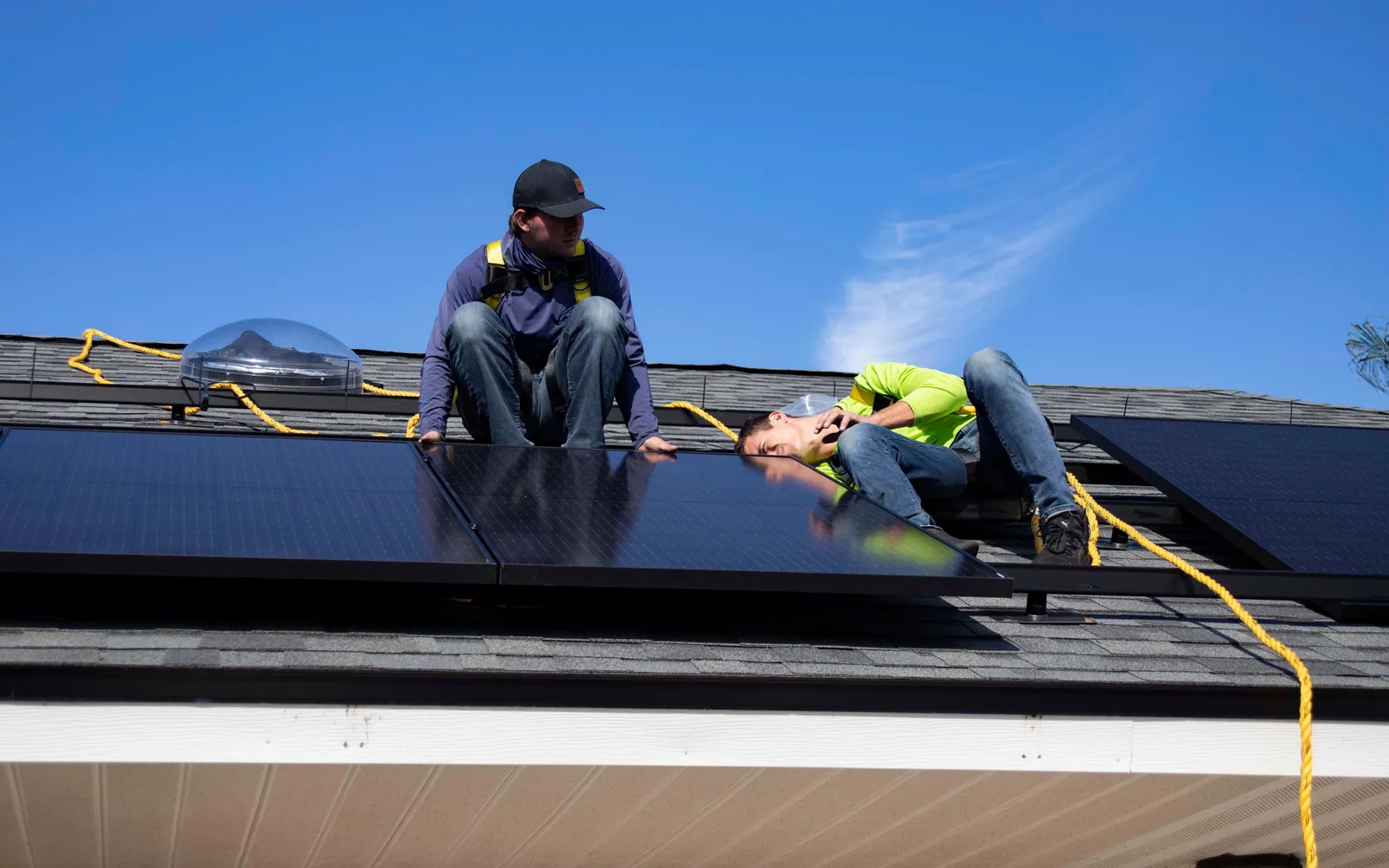
Here's what they don't tell you: the install quality matters as much as the panel hardware. A top-tier panel installed badly will underperform a mid-tier panel installed by a skilled crew. Installer certifications, training standards, and workmanship warranties are the signals to watch.
Top National Solar Companies
Sunrun is the largest residential solar installer in the U.S. It offers purchase, loan, lease, and power purchase agreement (PPA) financing, so it works for a range of financial situations. Sunrun's monitoring tools and customer service infrastructure are among the most developed in the industry, and it backs installations with long-term workmanship warranties.
SunPower (now operating under the Maxeon brand in some markets) has historically produced some of the highest-efficiency panels available to residential customers. The equipment is premium-priced and the installer network is selective. If you have limited roof space and need to maximize output per square foot, the efficiency premium can be worth the cost.
Momentum Solar operates in about a dozen states and has earned strong customer satisfaction ratings. It handles the full install process in-house rather than subcontracting, which improves quality consistency and accountability.
ADT Solar (formerly Sunpro Solar) has expanded fast into the residential market, using ADT's existing customer base to offer combined home security and solar installations. It operates in most major U.S. markets and offers competitive financing.
What to Look for Past the Company Name
Panel brand and efficiency matter, but the inverter choice also moves system performance a lot. String inverters are the standard and most affordable option. Microinverters (Enphase) and power optimizers (SolarEdge) operate at the panel level, which helps in partial shading and gives you more granular monitoring data.
The monitoring system also matters. Most installers provide an app or web portal that shows real-time and historical production. That lets you catch performance issues fast and verify that the system is producing as promised. Enphase's Enlighten and SolarEdge's monitoring portal are the most widely used platforms.
Finally, ask about permitting and interconnection. A complete installation pulls permits, passes inspection, and completes the utility interconnection process that lets your system connect to the grid and earn net metering credits. The best companies handle all of this for you and communicate proactively about the timeline.
Get Multiple Quotes
The solar market has enough competition that three to five quotes before signing is always worth the time. EnergySage's online marketplace is a useful starting point for pulling quotes from multiple installers at once and comparing them in a standardized format.
Prices can vary by 20% to 30% for comparable systems from different installers. The cheapest quote is not always the best, but there is rarely a reason to pay the highest price unless you can clearly name what extra value you are getting. Worth shopping.