

















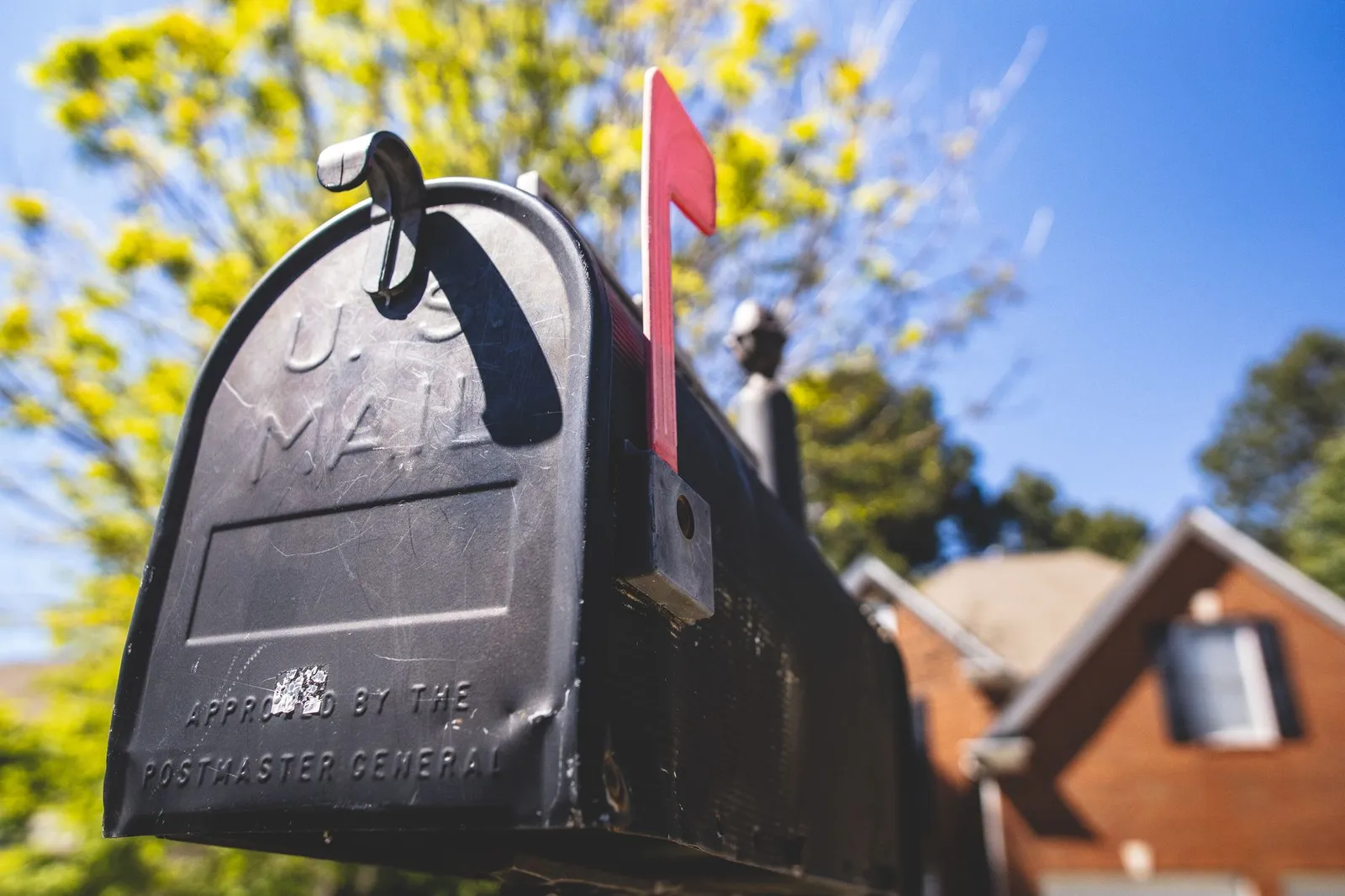
If you paid Lexington Law or CreditRepair.com to fix your credit between March 2016 and August 2023, go check your mail this week.
The Consumer Financial Protection Bureau has allocated another $117,058,683.11 to that case. Second checks mail from late September through October 2026. There is no form to fill out and nothing to claim.
There is one condition, and it is the whole story: you only qualify if you cashed your first check on or before June 30, 2026, and your calculated amount comes to $10 or more.
Read that again if you have ever let a government check sit on a counter because it looked like a trick. That instinct just cost some people a second payment.
The original distribution sent $1.8 billion to more than 4.3 million consumers between December 5, 2024 and January 6, 2025, out of $2.7 billion the companies were ordered to pay. The allegation was upfront fees charged for credit repair before any result was delivered, plus deceptive advertising. Payments are pro-rata shares of what you actually paid, calculated from the company’s own records, and may not cover everything you handed over.
The second pot is about six percent the size of the first. Nobody publishes an average second check and we are not going to invent one. The $10 floor exists precisely because the amounts down there get small.
Now the part that costs people money.
This case has a scam attached to it, and the administrator says so plainly. Anyone asking for your banking details to issue you a check, asking you to cash a check and send part of it back, or offering to advance you money from the distribution is running a con. The CFPB does not charge a fee to receive or cash a check, and it does not ask you to pay anything to collect what you are owed. A real payment in this case requires nothing from you but a trip to the bank.
The reissue rule is the other trap. Checks are valid for 90 days from the date of issue. That is not a suggestion, and a stale check is not automatically replaced. If yours expires, or you moved since 2024, or the first check went to an old address, use the Request a Reissue or Update Contact Information form on the administrator’s contact page. Do it before the envelope is late rather than after.
On taxes, the CFPB’s position is that the check is a refund of money you paid, so it is unlikely to be taxable. Confirm it with your own preparer, but do not let a tax worry stop you cashing it.
Here is the wider lesson, and it is worth more than the check. This distribution exists because a company took money upfront to do something you can do yourself for nothing. Disputing an error on your credit report is free. You file it, the bureau has to investigate, and nobody has to be paid a monthly fee for the privilege. Every dollar of that $2.7 billion started as a fee for access to a free process.
So cash the check, then use our credit score tool to see what is actually dragging your file, and read the credit cards hub and our best credit cards page before you pay anyone a subscription to raise a number you can move yourself.
If you paid one of these companies and never saw a first check, you are not in this round, and your contact information is the likely reason. Update it with the administrator anyway. Nobody is going to come looking harder than you will.
How Candid Yak makes money. Some of the products we write about pay us if you apply or sign up through our links. That never changes our verdict, our rankings, or the numbers in this article. We call a bad deal a bad deal whether it pays us or not. Some brands shown in our comparison tools are placeholder examples while we finalize partner agreements, and we label them as such.
Sources
- Bureau of Consumer Financial Protection v. Progrexion Marketing, Inc., settlement administrator site (JND Legal Administration)
- Frequently Asked Questions, CFPB v. Lexington Law and CreditRepair.com (JND Legal Administration)
- CreditRepair.com and Lexington Law refund checks: What you need to know (Consumer Financial Protection Bureau)
- CFPB v. Lexington Law and CreditRepair.com, payments by case (Consumer Financial Protection Bureau)