














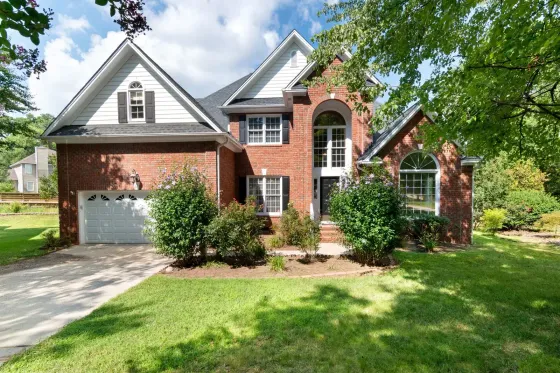

If you are one of the 650,000 California homeowners with a Mercury Insurance policy, your renewal is going up more than the press release said. The average is 6.9%. The homeowner average is 8.2%. Some houses in wildfire-prone zip codes are going up as much as 60%. Condo owners and renters are getting the other side of the trade: about 8% and 6% cheaper.
That is what a “6.9%” average headline actually looks like when you break it apart.
Here is what happened. Mercury became the first California carrier to renew rates under the state’s new Sustainable Insurance Strategy. Insurance Commissioner Ricardo Lara approved the filing back in December. The trade was written into the deal. Mercury gets to price wildfire risk more aggressively using catastrophe modeling. In exchange, it commits to write 6,000 new California homeowners policies in the next two years and 38,000 long-term, including in wildfire-distressed areas the market has been fleeing.
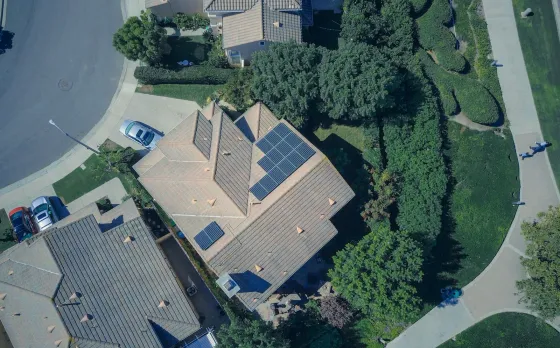
The math is not equal across products. Homeowners eat the wildfire recalibration. Condo and renters policies, whose losses in a fire are dominated by the master policy and personal contents rather than the structure, get a rate cut. If your house sits in the Wildland-Urban Interface, that state term for the strip where subdivisions meet fuel-heavy brush, “average” does not describe your bill.
Do this now. When your Mercury renewal letter lands, open it the day it arrives. Compare the new premium to last year’s and read the rate breakdown. Look for the wildfire portion. Mercury offers a discount worth up to a third of that portion if your home meets California’s Safer From Wildfires standards (Class A roof, defensible space, ember-resistant vents, and similar upgrades). Ask Mercury how to apply the discount, and what documentation qualifies, before the new rate locks.
If your renewal jumps more than 20%, shop it. Options are thin. State Farm General is not writing new California homeowners. Allstate isn’t either. The independent agents to try first are the ones with a book at USAA (if you qualify), CSAA, Auto Club (AAA), and Amica. Get three written quotes before your Mercury policy renews, not after.
Here’s what they don’t tell you. Under the Sustainable Insurance Strategy, more carriers will file the same trade: a moderate average headline that hides much sharper moves for the highest-risk houses. CSAA already priced its own 6.9% average and took effect in March. Travelers has said it wants to expand under the same framework. Every one of these deals will land as a small letter for most people and a much bigger check for houses in fire country.
If you are in a moderate or low fire-risk zip code, the news is quieter but not nothing. Your renewal might come in flat or slightly up, and any condo or renters policy in the Mercury book should actually get cheaper. Don’t let the discount get quietly dropped in a new-policy rewrite. Check the number.
Not moving your policy this month? File this away. The California Department of Insurance’s rate approval list is public. Every SIS filing that clears will follow this shape. Knowing that ahead of time is the difference between reading your letter with a shrug and reading it with a plan.
How Candid Yak makes money. Some of the products we write about pay us if you apply or sign up through our links. That never changes our verdict, our rankings, or the numbers in this article. We call a bad deal a bad deal whether it pays us or not. Some brands shown in our comparison tools are placeholder examples while we finalize partner agreements, and we label them as such.
Sources
- California Home Insurers to Raise Rates by 6.9% in 2026 (KIIS-FM Los Angeles, January 13, 2026)
- Two Big California Home Insurers to Raise Rates by 6.9% (Insurance Journal, January 15, 2026)
- California Homeowners Insurance News: 2026 Market Roundup (Latent Insurance)
- Mercury Seeks 6.9% Rate Increase in Filing Based on New Cat Modeling Regulation (Insurance Journal, August 15, 2025)