















Update, August 20, 2026: We published this on August 15 with a September 1 start date. That was wrong, and here is the correction. New York City moved the SHIELD Rule to January 1, 2027. DCWP put a Notice of Change of Effective Date in The City Record, and its August 4 FAQ states the rule “goes into effect on January 1, 2027, not September 1, 2026.” The stated reason is to give the city time to answer questions and give collectors time to make operational changes. Nothing below kicks in on September 1. The delay also carries a catch that the city spelled out itself, and we’ve added it to the story.
If a collector has your number and you live in the five boroughs, the leash gets shorter on January 1, 2027. Not September 1. You just got handed four more months of the old rules.
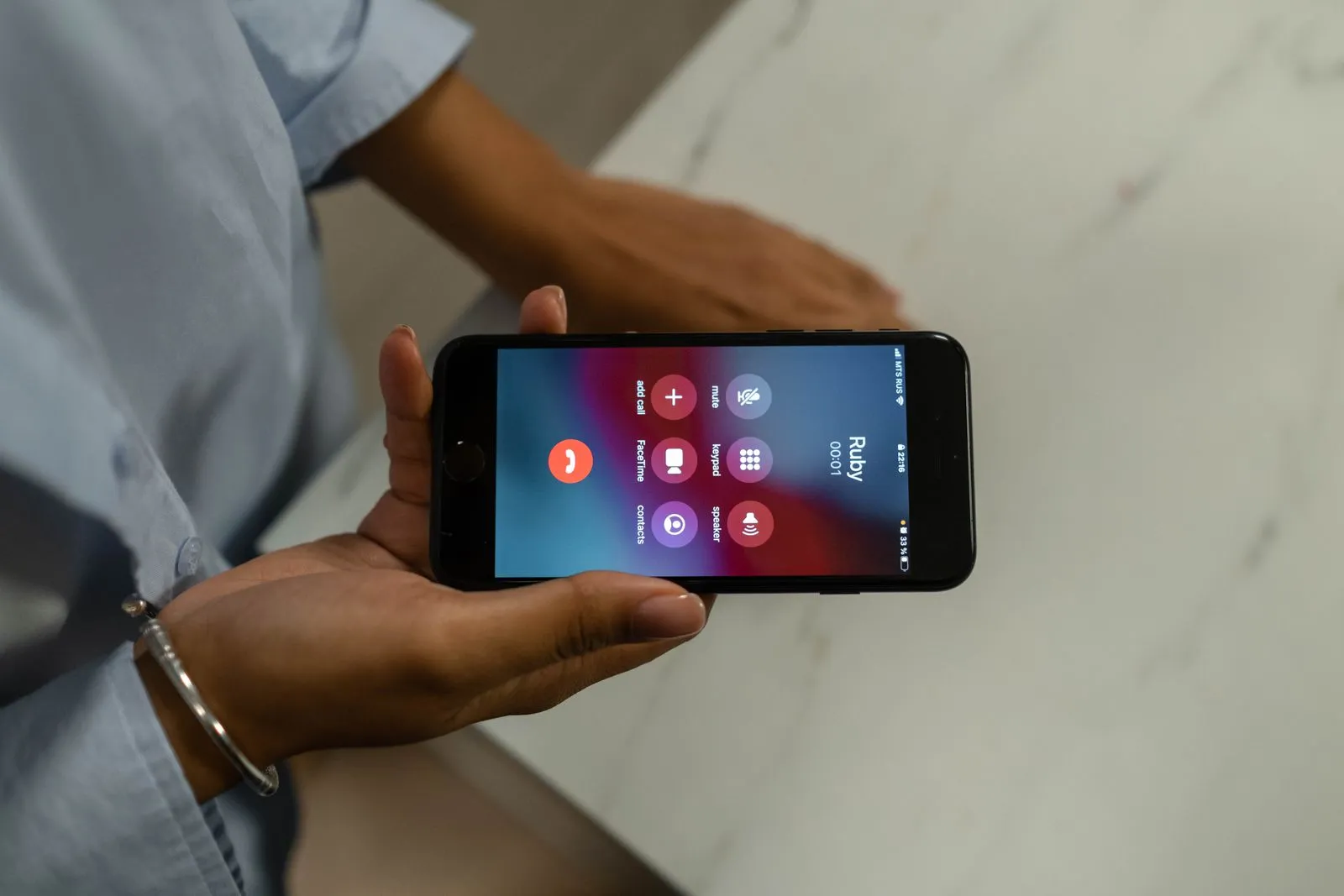
Three contacts in seven days, per account, counted across every channel they own. Call you, text you, email you, that’s the same bucket. Answer one of them and they’re supposed to leave you alone for the rest of the period. That cap covers every account once it starts, no matter when the debt was bought.
Now the part the four-month slip actually changes.
The dispute freeze is the piece with teeth in it. Under the new rule you can dispute through any channel the collector contacted you on, at any time, and the collector has to stop collecting until it sends you written verification. It gets 60 days to produce it. A default judgment by itself doesn’t satisfy it. They have to produce the underlying account records, which is exactly what a debt buyer three owners down the chain usually doesn’t have.
Here’s the catch, and DCWP wrote it out in its own FAQ. That verification duty carries a date-of-purchase exception. If a debt buyer bought your account before January 1, 2027, it verifies under the city’s older rules instead. The FAQ’s own example: a consumer asks a debt buyer for verification on January 15, 2027, on a debt the buyer picked up in 2025. Does the new rule apply? “No.”
So read the delay for what it is. Every extra month is another month in which charged-off paper can change hands under the weaker verification rules, and that exception then follows the account permanently. Whether anyone is timing purchases around it is not something we can prove. What we can say is that law firm alerts explaining the new date went out to collectors in July.
The rest of the rule still lands on January 1 regardless of purchase date. An original creditor is covered once it stops sending statements or accelerates the balance, so the bank that issued the card can’t collect on its own paper under looser rules than the agency it would have sold that paper to. Medical debt can’t go on your credit report, and collectors have to point you toward hospital financial assistance. Time-barred debt gets a warning label saying the clock to sue has run out and that paying can restart it. That second half has cost people years. A $25 payment offered as a gesture on a debt nobody could sue you over anymore can wake the whole thing up.
Do this now, because the calendar just moved against you. Keep a log of every contact: date, time, channel, who called. Dispute in writing and keep the copy. Don’t pay a dollar on anything old until you know the statute date, and don’t agree to a payment plan on the phone to make it stop. The federal limits still apply in the meantime and they are looser, so your paper trail is doing more work between now and New Year’s than it will after.
If the underlying problem is that the balance is real and the math doesn’t work, run it through our debt payoff calculator before you talk to anyone, and compare a fixed-rate payoff on our loans hub and the best loan rates we track.
Count the calls anyway. From January 1 the fourth one in a week is evidence.
How Candid Yak makes money. Some of the products we write about pay us if you apply or sign up through our links. That never changes our verdict, our rankings, or the numbers in this article. We call a bad deal a bad deal whether it pays us or not. Some brands shown in our comparison tools are placeholder examples while we finalize partner agreements, and we label them as such.
Sources
- Frequently Asked Questions: New Rule for Debt Collectors (NYC Department of Consumer and Worker Protection, August 4, 2026)
- New York City Delays SHIELD Rule Effective Date to January 1, 2027 (Collections & Recovery)
- NYC Delays Its SHIELD Rule 4 Months (Sessions)
- NYC's SHIELD Rule Reshapes Debt Collection Compliance, Original Creditors Now Squarely in Scope (Venable LLP, March 13, 2026)
- New York City adopts expanded debt collection rule effective Sept. 1 (Orrick, Herrington & Sutcliffe LLP, March 9, 2026)
- NYC DCWP Adopts Major Amendments to Debt Collection Rules Effective September 1, 2026 (Kaufman Dolowich, February 26, 2026)