











If you rent, or you own a condo, or your roof faces the wrong way, you finally have a solar option that costs a few hundred dollars instead of twenty thousand. Before you buy one, read one word on the listing. “Certified” and “compliant” are not the same word, and right now the difference is the whole product category.
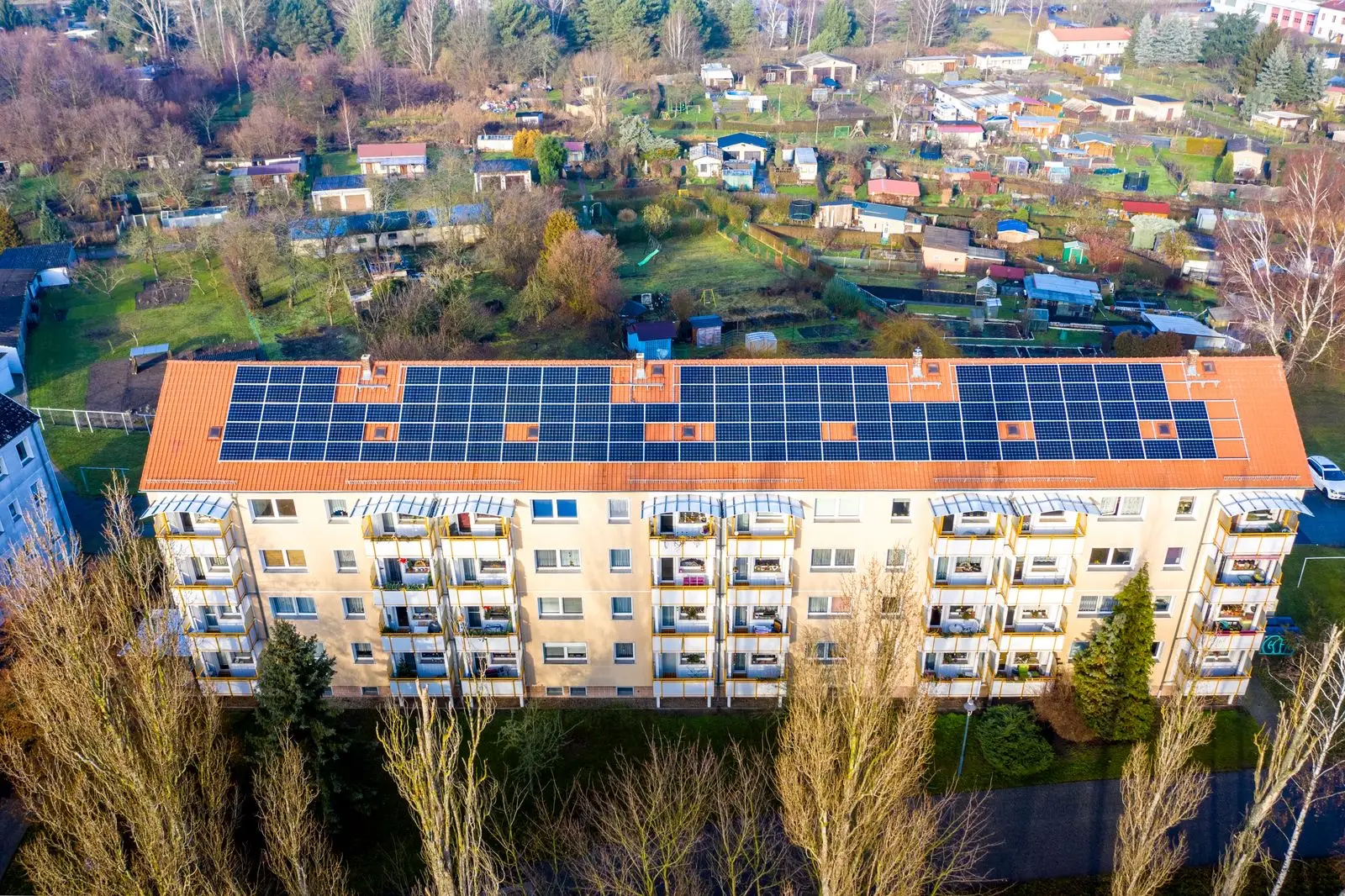
Plug-in solar, also called balcony solar, is a small panel wired to a microinverter that plugs into a regular wall outlet and pushes power back into your home’s circuits. Europe has millions of them. The United States mostly banned them by accident, because utility interconnection rules written for 8-kilowatt rooftop arrays swallowed a 300-watt panel on a railing.
States have been fixing that fast. Colorado, Connecticut, Maryland, Maine, New Hampshire, Utah, Vermont and Virginia have all enacted plug-in solar laws, and New Jersey’s legislature passed the Garden State Balcony Solar Act unanimously on June 30. Most cap you at 1,200 watts, exempt you from interconnection agreements, and bar your utility from charging you a fee or making you ask permission.
Here’s the catch. Those laws almost all hang the safety question on one hook: UL 3700, the first North American standard written for plug-in solar. UL Solutions only opened its testing program under it on January 8, 2026. In mid-January, UL’s own Ken Boyce said he wasn’t aware of any plug-in product that had completed certification, because the standard had been out for about a month.
Then the products arrived, and so did the wording problem.
In July, a wave of coverage announced America’s first UL 3700 plug-in microinverter. InsideEVs ran the story on July 21 and then ran this correction: “a previous version of this story stated that the product was UL-certified. It is not certified by UL Solutions, but designed to meet the UL 3700 standard.” That is the entire issue in one sentence. A certification mark means a testing lab put the product on a bench and checked it. A compliance claim means the company that wants your money says it would pass.
Meanwhile APsystems announced on July 15 that its EZ1 is CSA Certified to UL 3700, which is a third-party listing from an actual certification body. Same standard, completely different level of proof, and the marketing copy for both reads about the same at a glance.
This is more than a spec-sheet quibble, because of what UL 3700 actually covers. UL says the standard requires features that keep you from touching hazardous electric parts, protect against overloads, and stop current from flowing in the wrong direction. The last one is the big one. A plug-in panel that keeps pushing power into a dead grid is a hazard for the line worker on the pole. Those are not luxury features. They are the reason the standard exists.
Do this before you buy. Search the manufacturer’s page for the exact phrase, and treat “UL 3700 certified” or “CSA Certified to UL 3700” as real and “UL 3700 compliant,” “designed to meet,” or “built to UL 3700” as an unproven claim. Ask the seller which lab issued the listing and for the listing number. If they can’t produce one, that’s your answer. Then check your own state’s law and its effective date, because several that passed this year don’t switch on until October or January.
One wrinkle worth knowing: New Jersey’s bill requires UL 3700 listing but exempts devices putting out 400 watts or less. Small kits may legally skip the thing you actually want. Buy the certification anyway.
The states did the hard part and got you out from under the utility’s permission slip. The industry filled the opening in about six months. A panel on your balcony for a few hundred dollars is a genuinely good deal against a rooftop system that runs into five figures, and it stays a good deal only if the box does what the label implies. Read the word.
More on running the numbers at our solar hub and our solar savings calculator.
How Candid Yak makes money. Some of the products we write about pay us if you apply or sign up through our links. That never changes our verdict, our rankings, or the numbers in this article. We call a bad deal a bad deal whether it pays us or not. Some brands shown in our comparison tools are placeholder examples while we finalize partner agreements, and we label them as such.
Sources
- UL Solutions Debuts Testing and Certification Framework for Safer Plug-In Solar Across the United States (UL Solutions, January 8, 2026)
- America's First UL-Compliant Plug-In Balcony Solar Microinverter Is Here (InsideEVs, July 21, 2026)
- New Jersey legislature unanimously passes plug-in solar bill (pv magazine, July 3, 2026)
- EZ1. Proven. Portable Solar. UL 3700. (APsystems USA, July 15, 2026)
- How to design a UL-certified balcony solar kit in the United States (pv magazine, February 2, 2026)