

















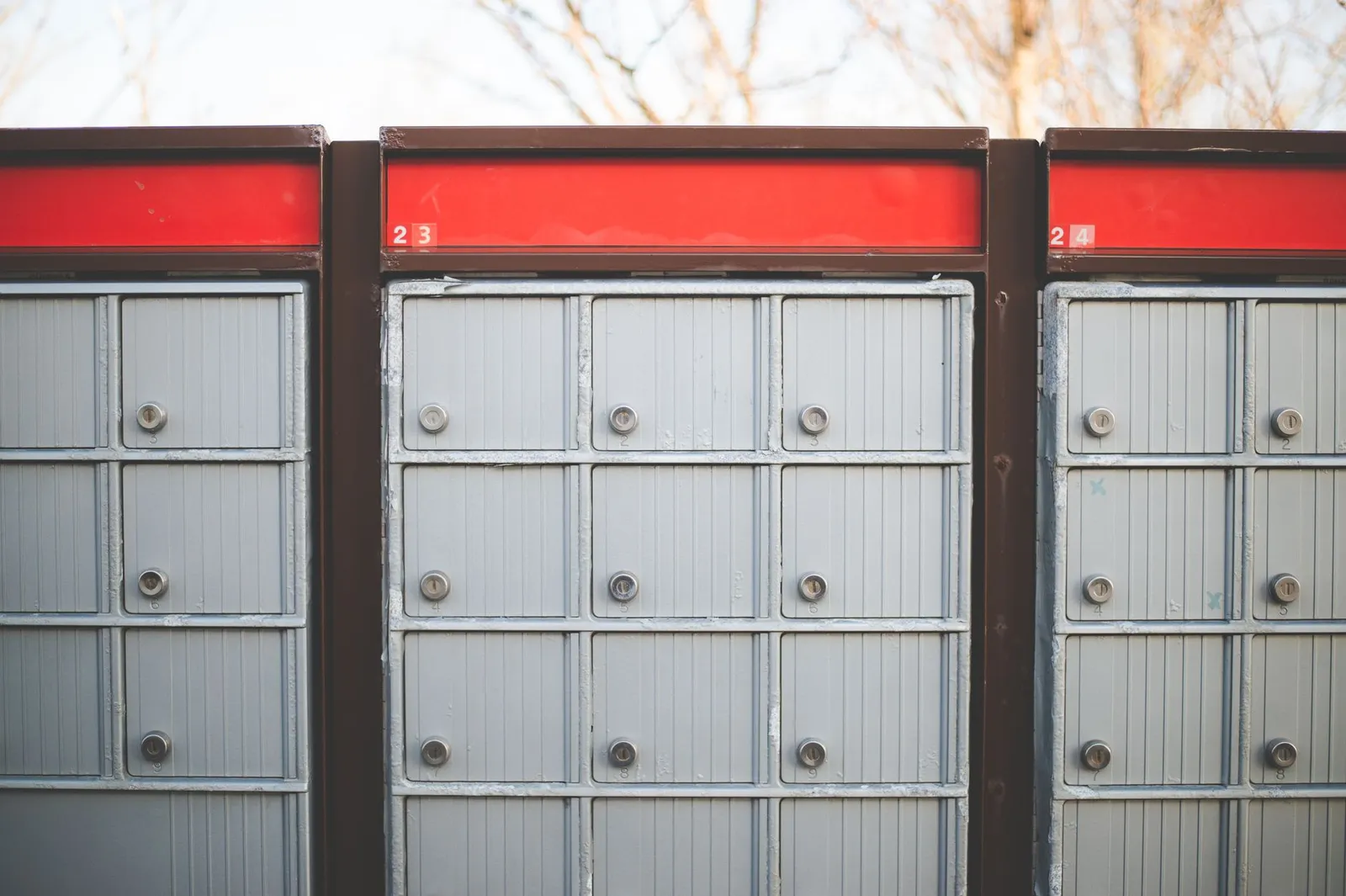
If a store card mails you a paper statement every month, you’re paying $1.99 for it. Not for the card. For the envelope.
Pull up your Synchrony agreement and find the fee section. We pulled two of them. Both say the same thing, word for word:
“We will charge a $1.99 monthly Paper Statement Fee to your account. We will charge this fee in any billing cycle in which your balance is greater than $2.50 and you are sent a monthly billing statement in paper form, even if you also are provided it in electronic form.”
Read the back half of that again. You get billed for the paper copy whether or not the digital one is already sitting in your account.
The trigger is a balance over $2.50. Owe three dollars, pay $1.99 to be told about it.
Then there’s a line further down, in the section explaining how the balance gets calculated: paper statement fees “are treated as new purchases.” On the retail store-card agreement we read, revised July 2025, a purchase carries an APR of 34.99%. Slip on a payment and the penalty rate is 39.99%, which the agreement says “may remain in effect indefinitely.”
So the charge for mailing you a bill earns interest at store-card rates. Twelve of them is $23.88. Let that ride for a year at 34.99% and you’re closer to $29. The same agreement sets a minimum interest charge of $2.00 in any cycle you owe interest, so a small balance made mostly of that fee can drag $2.00 behind it. Four dollars, for one envelope.
This fee has a backstory. In April 2024, with the CFPB about to cap late fees at $8, Synchrony CEO Brian Doubles told American Banker that raising rates and adding fees was a “relatively standard playbook” for handling the rule, and predicted other issuers would do the same. Then Judge Mark T. Pittman vacated the cap in April 2025, and it never took effect.
The offsets stayed put. Synchrony’s own agreement has late fees back at $30, or $41 if you were late in the prior six cycles. And the Premier World Mastercard agreement revised this July, more than a year after the cap died, still carries the identical $1.99 paper statement fee.
Paying it is dumb, and the fix takes one login.
Sign in to the servicing site for every Synchrony card you hold and switch the statement to electronic only. The agreement is blunt about it: that is the one way the fee goes away. Then look at your last statement, find the $1.99 line, and count back how many months it’s been sitting there. If you keep paper because you genuinely need paper, that’s a real reason and it’s yours to make. Now you know it costs $23.88 a year before interest.
While you’re logged in, look at the balance underneath the fee. On a card charging 34.99%, that $1.99 is the cheapest thing on the bill. Run the numbers in our debt payoff calculator and decide whether that card should be carrying a balance at all.
How Candid Yak makes money. Some of the products we write about pay us if you apply or sign up through our links. That never changes our verdict, our rankings, or the numbers in this article. We call a bad deal a bad deal whether it pays us or not. Some brands shown in our comparison tools are placeholder examples while we finalize partner agreements, and we label them as such.
Sources
- Synchrony Bank Credit Card Account Agreement, retail private-label form PLCC (REV 7/2025), costs accurate as of July 31, 2025
- Synchrony Premier World Mastercard Account Agreement (REV 7/2026)
- Synchrony hikes interest rates on credit cards to offset late-fee rule, Polo Rocha, April 24, 2024 (American Banker)
- CFPB Credit Card Late Fees Rule Vacated by Texas District Court, April 2025 (Holland & Knight)
- Credit Card Penalty Fees Final Rule, current status (Consumer Financial Protection Bureau)