

















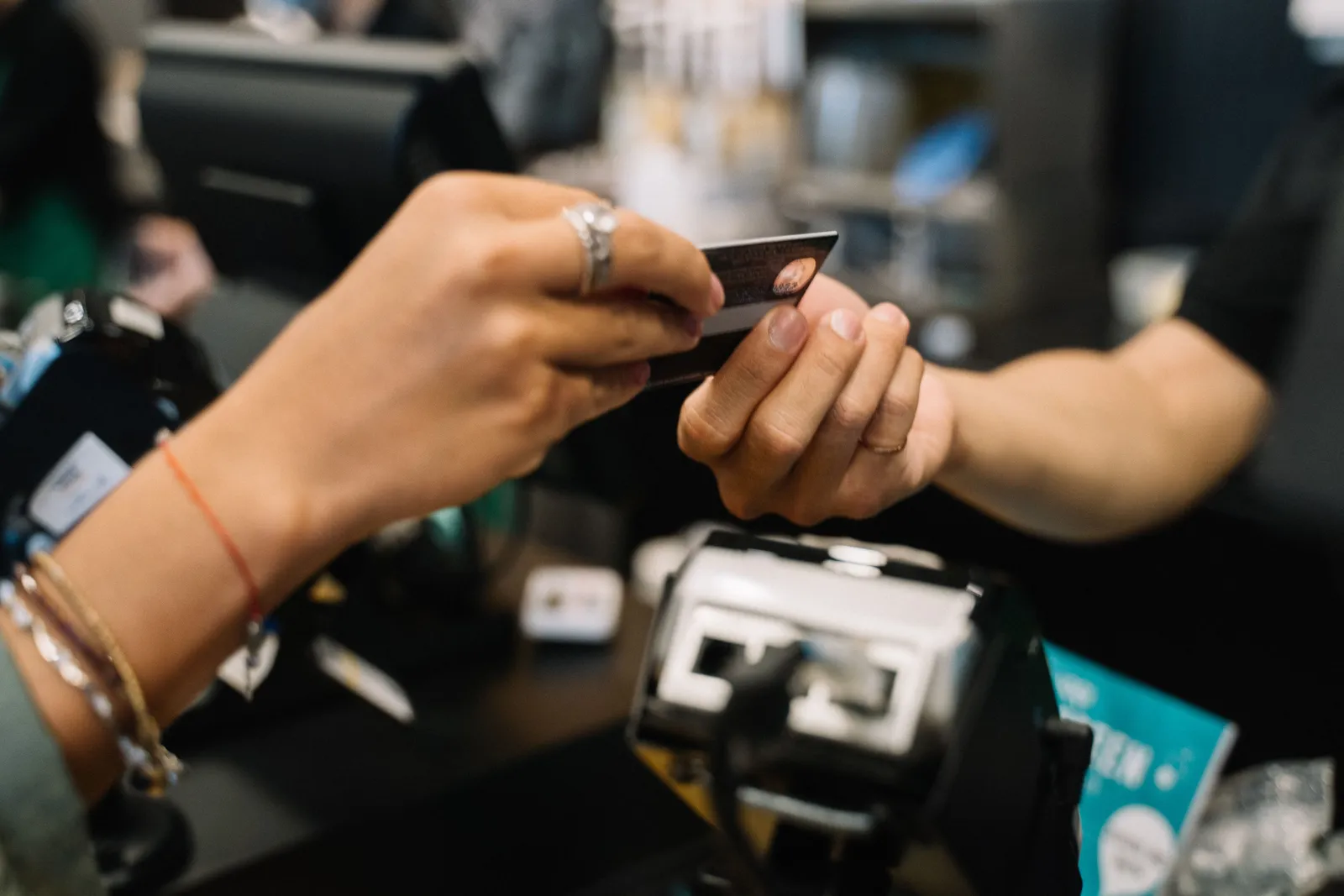
If you bank at U.S. Bank and you press “debit” and punch in a PIN, the money is about to leave your available balance the moment you pay. Not tonight. Not after the batch runs at some hour nobody tells you about. Right then.
It starts November 16, 2026.
U.S. Bank buried this in a one-page addendum to its deposit account agreement. The entire announcement is a single bullet: the bank is “revising the Transaction Posting Order section to explain that in most cases, the point-of-sale PIN based debit card transactions will be posted to your account immediately in real time when the transaction occurs.”
Now read what that replaces, because the current agreement is unusually honest about itself. U.S. Bank posts transactions “after the close of each business day,” in an order the bank picks, and then says the quiet part in writing: “Our posting order may not be the same as the order in which you conducted a transaction and could result in overdraft fees, if you do not have available funds at the time the item is paid.”
They wrote that. Overnight batching plus a bank-chosen sort order is the machinery that turns a $4 coffee into a $39 coffee, and the disclosure has been sitting in the agreement the whole time.
Real time posting kills that ambiguity for one lane of traffic. Your PIN debit purchase stops sitting in a queue getting sorted against everything else that landed that day. It posts. It’s done. That’s a genuine improvement, and it is worth saying so.
Here’s the catch. The float dies with it. If you’ve been swiping Thursday night because the paycheck lands Friday morning, that gap has been quietly working for you, and for PIN debit it’s gone.
And the change is narrow. Checks still post in check number order, lowest number first, no matter when you wrote them. ACH payments and bill pay still wait for the close of business. If a transaction has no date and time attached, the agreement posts it after everything else, cheapest first. The reordering risk survives everywhere except the single lane being fixed.
Verdict: good change, oversold by its own silence about the rest.
Do this now. Stop reading your “account balance” and start reading your “available balance.” The agreement draws the line itself: account balance includes transactions that are “not all” reflected yet, while available balance is “the amount of money that can be withdrawn at a point in time.” Available balance is the number your bank uses against you.
Turn on a low-balance alert while you’re in there. If you’ve been running the account to zero on purpose, move a one-paycheck cushion into savings and leave it alone. Our savings calculator will show you what that buffer earns sitting still, which is the cheapest overdraft protection anybody sells.
Then put October 12 on your calendar. That’s the day U.S. Bank says the fully revised agreement goes up at usbank.com/YDAA-upcoming-version. Read the Transaction Posting Order section yourself, because a bullet point in an addendum is a summary and the section is the rule.
One last thing, and it decides whether any of this touches you. This change covers PIN debit. If you’re the person who taps “credit” at the terminal and signs instead, your purchases still run the old way, batched overnight and sorted by the bank. Same card. Same account. Different rules, depending on which button you press.
How Candid Yak makes money. Some of the products we write about pay us if you apply or sign up through our links. That never changes our verdict, our rankings, or the numbers in this article. We call a bad deal a bad deal whether it pays us or not. Some brands shown in our comparison tools are placeholder examples while we finalize partner agreements, and we label them as such.