

















If you farm or run a small business in a rural town and a solar quote leans on a USDA grant to make the numbers work, redo the quote. On October 16, the grant gets smaller, slower and a lot less certain.
You now pay for the whole system first. The most USDA can hand back is 25%, a year or more later, if there’s money.
What USDA changed
The program is REAP, the Rural Energy for America Program. Under USDA’s 2024 funding notice, Inflation Reduction Act money could cover up to 50% of a solar project’s eligible cost, with requests up to $1,000,000. You applied, got an award, then built.
USDA killed that notice on April 15. Anyone without a signed award agreement was told to start over.
The replacement rule, published October 1, flips the order. Your system has to be finished 12 to 24 months before you apply. You submit 12 months of real production data plus 12 months of utility bills from before the install. You cover at least 75% of the cost yourself. Grant requests top out at $500,000, and awards go out “subject to the availability of funds” through one national competition.
USDA calls it “a post completion, performance validated model.” Translation: the taxpayer pays for results, not promises. Fair enough. But the risk of the promise falling through now sits entirely with you.
Here’s what they don’t tell you
The fine print is where projects die.
Any solar system with a component made in China, Russia, Iran, North Korea, Cuba or by Venezuela’s Maduro regime is ineligible. The rule says any component, and the application makes you name the country of origin for all of them: panels, inverter, racking, even the monitoring software. Only systems installed before October 1 get a pass.
Ground-mount solar on cropland is out. Homes are out, including a house attached to the business, an in-home business and farm labor housing, and USDA dropped the old allowance for a meter shared with a residence. Your simple payback can’t run longer than the system’s useful life. One application per owner per federal fiscal year.
The math
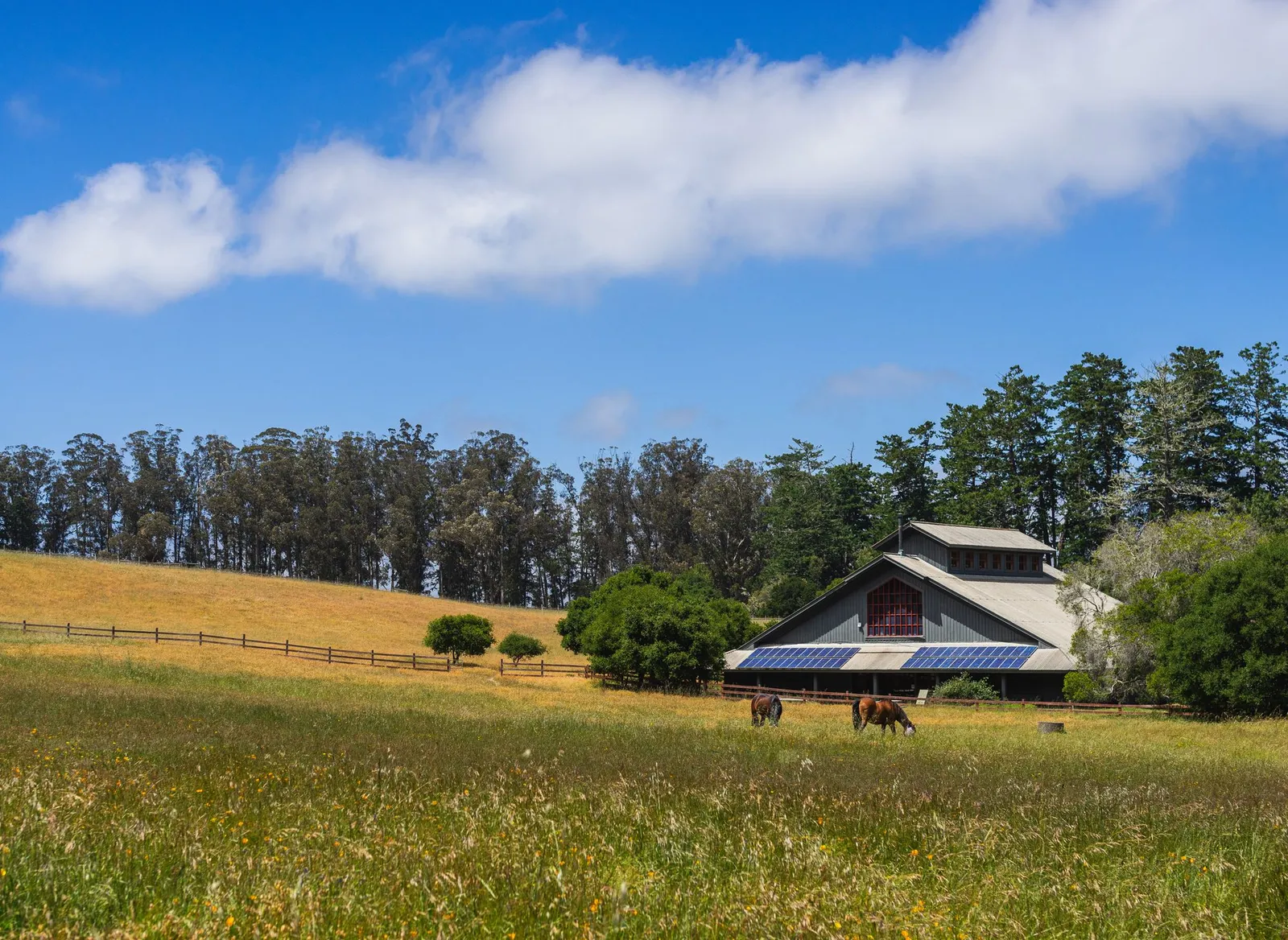
Take a made-up $100,000 system on a barn roof. Under the old notice, a winning application could bring up to $50,000, awarded before you built.
Now the ceiling is $25,000. You finance the full $100,000, run the system at least 12 months, apply, and wait on a national ranking. USDA’s own answer to the up-front cost problem is to point you to its REAP guaranteed loan program. That’s a loan, not a grant.
Verdict: if the system only pencils out with the grant, don’t sign. If it works without it, build and treat any award as a bonus.
Do this before you sign
Ask the installer for the cash price and the payback with zero grant. Check it yourself in our solar calculator.
Get a written country-of-origin list for the panels, inverter, racking and monitoring software. If the seller can’t produce one, assume you’re ineligible.
Pull 12 months of utility bills now, before anything goes on the roof. And if your house and barn share a meter, talk to the utility about splitting it.
Comments on the rule are open until November 2 at regulations.gov. For the rest of your solar shopping, start with our solar hub and best solar companies.
How Candid Yak makes money. Some of the products we write about pay us if you apply or sign up through our links. That never changes our verdict, our rankings, or the numbers in this article. We call a bad deal a bad deal whether it pays us or not. Some brands shown in our comparison tools are placeholder examples while we finalize partner agreements, and we label them as such.
Sources
- Unleashing American Energy and Economic Prosperity; Rural Energy for America Program (REAP), final rule with comment period (USDA Rural Business-Cooperative Service, Federal Register, October 1, 2026)
- Notice of Funding Opportunity for the Rural Energy for America Program for Fiscal Years 2025, 2026, and 2027 (Federal Register, October 16, 2024)
- Notice of Rescission of Funding Opportunity for the Rural Energy for America Program (Federal Register, April 15, 2026)
- 15 CFR 791.4, Determination of foreign adversaries (Electronic Code of Federal Regulations)