















If a builder is pitching you a “5.25%” ARM in a market where the 30-year fixed is 6.875%, that gap is not a gift. It is a buyback. A third party, usually the builder, is paying cash at closing to lower your rate for a couple of years. After that, the rate steps back up to market, and the loan is yours to live with.
Two years from now, your payment goes up. Five years from now, the rate floats. Read page 2 before you sign.
What is an ARM buyback and why is it back
A mortgage buyback, also called a rate buydown by a builder or seller, is a third party paying cash at closing to reduce the borrower’s initial interest rate. Buydowns like the 2-1 were common in the early 2000s and largely vanished when rates were low.
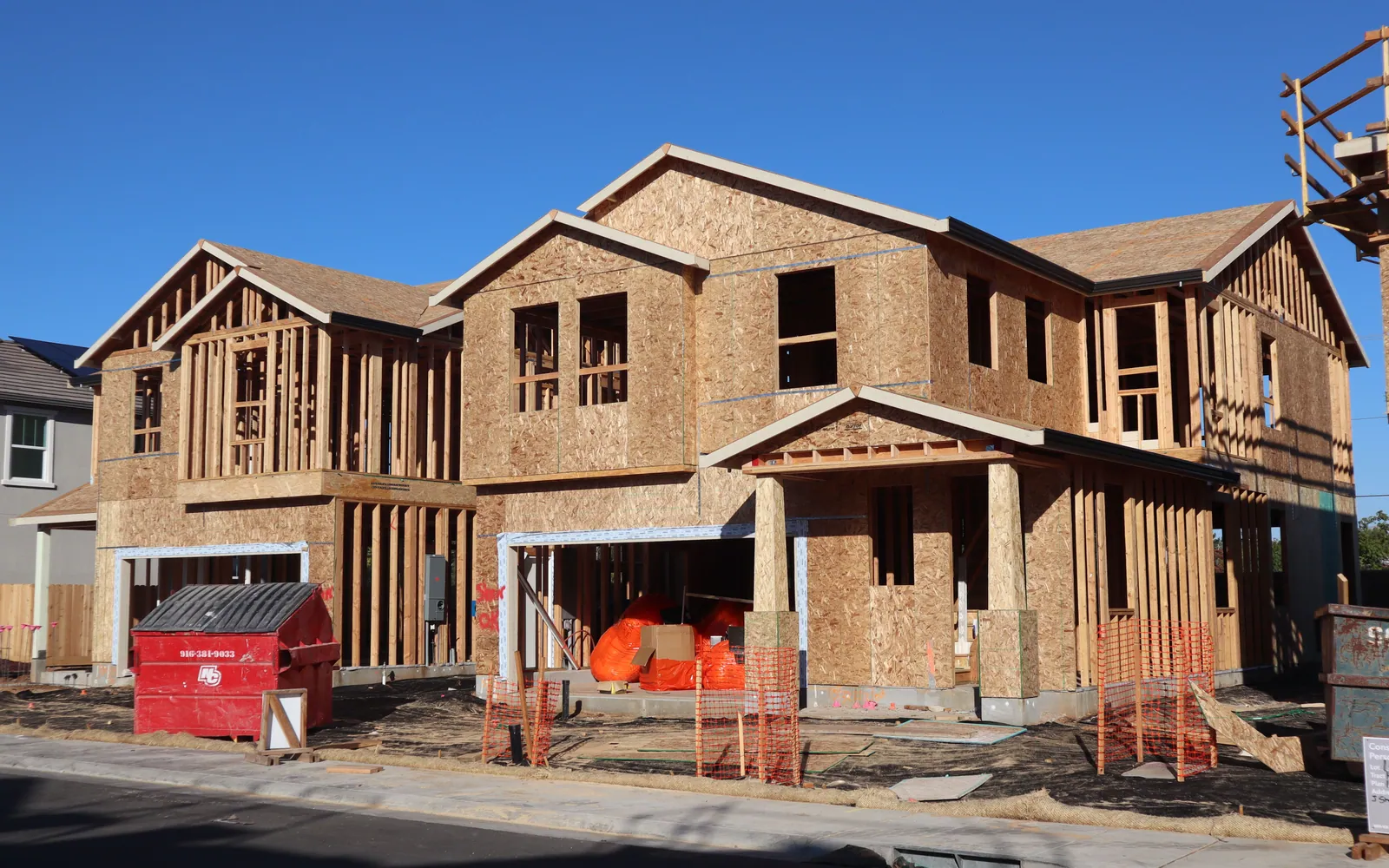
With 30-year fixed rates in the mid-to-upper 6% range through early 2026, home sellers and new home builders are using temporary buydown credits and rate-reduction structures to make listings move. The resurgence is loudest in new construction, where builders are offering 5/6 ARMs with below-market intro rates subsidized by builder credits.
Here is the structure: a builder offers a 5/6 ARM with a below-market rate for years 1 and 2 of the initial fixed period, funded by closing cost credits. After the promotional period ends, the rate steps up to the market rate for the remainder of the 5-year fixed period.
This is not automatically bad. It is complex, and the complexity is the lender’s bet. Read the Loan Estimate.
What a 5/6 ARM means
The 5 is the fixed-rate period. Your rate does not change for the first five years.
The 6 is the adjustment interval. Once the fixed period ends, your rate adjusts every 6 months based on the index plus your margin.
On a 30-year loan, a 5/6 ARM is fixed for years 1-5 and adjusts twice a year for years 6-30. That is 25 years of potential rate adjustments, compared to zero on a 30-year fixed.
The three things to check on page 2 of the loan estimate
Page 2 of the standardized Loan Estimate (the CFPB-required disclosure every lender must provide within three business days of application) holds the numbers most borrowers skim past. On a 5/6 ARM, three of them deserve real time.
1. The fully-indexed rate (Projected Payments table, top of page 2)
The Loan Estimate has to show the initial rate AND the fully-indexed rate. The fully-indexed rate is the current index plus your margin. It is where your rate would reset if the adjustment happened today.
If the initial rate on your 5/6 ARM is 5.75% but the fully-indexed rate is 7.85%, that 2.1-point gap is what you actually owe in five years if SOFR stays where it is. Your monthly payment moves with it. Some builders are subsidizing the gap between the market rate and the promotional rate. That subsidy expires.
2. The cap structure (Adjustable Interest Rate table, page 2)
This section shows your initial cap, periodic cap, and lifetime cap. Common caps on 5/6 ARMs in 2026 are 2/2/5. Check each number.
The initial cap (the first number) is the maximum rate increase at the first adjustment. If your rate is 6.25% at the end of year 5 and your initial cap is 2%, the most your rate can jump at the first 6-month adjustment is to 8.25%.
The periodic cap (second number) governs every subsequent adjustment.
The lifetime cap (third number) is the maximum rate over the life of the loan. Starting at 6.25% with a 5% lifetime cap, your rate can never exceed 11.25%.
3. The index and margin (Adjustable Interest Rate table, page 2)
Verify that your index is SOFR (not a legacy LIBOR derivative or a proprietary index). Then note your margin. Margins on competitive 5/6 ARMs currently run 2.50-2.75%. A margin above 3.00% should prompt a comparison with other lenders.
How buyback structures work in practice
In a typical 2026 new construction deal, the builder offers a $15,000-$20,000 closing cost credit that the lender uses to buy down the initial rate. On a $500,000 loan, $15,000 in buydown funds might trim the rate by 0.50-0.75% for the first two years of the 5-year fixed period.
The credit is real money. Just understand what you are buying: two years of a cheaper rate, then a reversion to the unsubsidized market level for years 3-5, then fully adjustable.
If you would not take the loan at the unsubsidized rate (say, 6.875%) on its own merits, the buydown is not a reason to take it. The promotional rate expires.
When a 5/6 ARM makes sense vs. a fixed rate
Your call, but here is how to think about it.
ARMs make sense when your expected holding period is shorter than the fixed period, or when you have a real reason to believe rates will fall before the adjustment period begins.
If you plan to sell or refinance within 5 years, the 5/6 ARM’s lower initial rate is pure savings. You never reach the adjustable period.
If you expect to refinance when rates drop and the fixed-to-floating spread is 0.75% or more, an ARM can still make sense even if you might stay. The break-even is the interest you save in the fixed period against the cost and risk of reaching the adjustable period.
ARMs do not make sense when the rate spread between the ARM and the 30-year fixed is small (under 0.50%), or when your budget would crack under payment increases in the adjustable period. Run the worst-case payment using the lifetime cap before you sign. If that payment scares you, walk.