













Update, August 2, 2026: This post originally told you the 30% federal credit was locked in through 2032. That is wrong, and it has been wrong since January. The residential credit ended for property placed in service after December 31, 2025. The post has been corrected against the IRS instructions for Form 5695 and rewritten below.
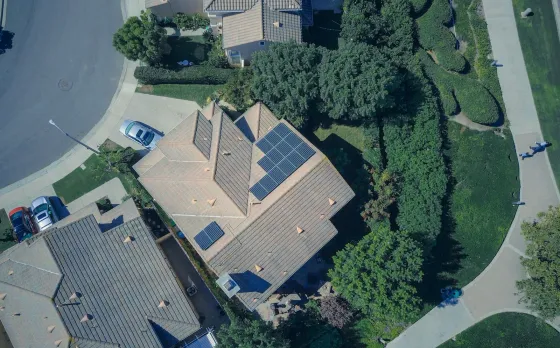
If a solar rep sat at your kitchen table this summer and told you that you’ll get 30% back from the IRS, they’re quoting a rule that doesn’t exist anymore.
The IRS instructions for Form 5695 put it in one sentence: “You can’t claim residential clean energy credits for expenditures made after December 31, 2025.” That’s Section 25D. That’s the credit this post used to tell you was safe through 2032. It’s gone.
What ended, and what survived
Two credits stopped on the same day. Section 25D, which covered 30% of a solar install. And Section 25C, the energy efficient home improvement credit, which covered insulation, windows, doors, and heat pumps. Both are dead for property placed in service after December 31, 2025.
One piece survived. If you installed in 2025 and your tax bill was too small to soak up the whole credit, the leftover still rolls forward. The IRS keeps a line on Form 5695 for carrying the unused portion into 2026. The 25C credit gets no such courtesy. Unused amounts there are forfeited.
The word that decides your case is “placed in service.” Not signed. Not paid. Live. Panels that started producing in November 2025 count. Panels that started producing in February 2026 don’t, no matter when you wrote the deposit check.
The 30% didn’t vanish. It changed hands.
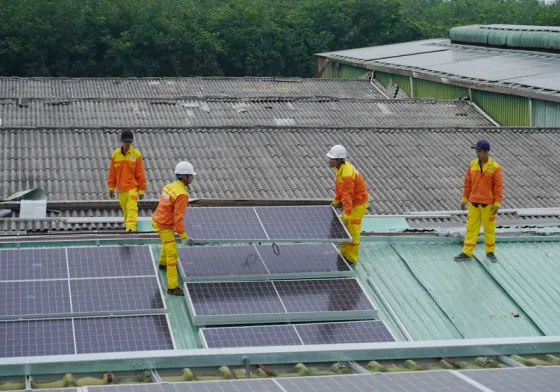
Here’s what they don’t tell you at the kitchen table. Section 48E, the commercial version of the credit, is still running. A company that owns the system on your roof can claim up to 30% of its investment, then lease that system to you or sell you its output under a power purchase agreement. Electrek laid out the mechanics in January: the project had to begin construction before July 4, 2026, and has to be placed in service by December 31, 2027.
So the credit is real. It just isn’t yours. It lands on the installer’s tax return, and whether any of it reaches your monthly payment is a pricing decision, not a law. EnergySage says a competitive provider should be cutting your monthly rate by 20% to 30% to reflect it.
Should. Not must. Which company you’re sitting across from, and what the contract says about the escalator, now decides how much of that 30% you ever see.
Do this before you sign anything
Rerun your numbers with a zero in the federal credit column. Our solar calculator will do it in about a minute. If a quote only clears because of a 30% credit you were going to claim, that quote is wrong.
Then ask the rep one question and make them answer it in writing: does this system qualify for 48E, and how much of that credit is priced into my payment? A company passing it through will show you the math. A company that dodges is keeping it.
And if the pitch still promises you a 30% credit on a system you’d own outright, walk away. That’s not a negotiating tactic on their side. That’s a factual error about federal tax law from somebody asking you for thirty thousand dollars.
What’s left after that is state and utility money, and it swings hard by zip code. DSIRE (dsireusa.org) keeps the live state-by-state list. Check yours before you take another call.
How Candid Yak makes money. Some of the products we write about pay us if you apply or sign up through our links. That never changes our verdict, our rankings, or the numbers in this article. We call a bad deal a bad deal whether it pays us or not. Some brands shown in our comparison tools are placeholder examples while we finalize partner agreements, and we label them as such.