












The limit you can hold in your hand
Every budgeting app shows you a number going down. The envelope method makes you feel it. Groceries get $500 in cash on the first of the month, in an envelope labeled groceries, and every shopping trip visibly thins the stack. When the envelope is empty, groceries are over until next month.
No willpower required at the moment of purchase, which is exactly when willpower fails. The decision was made weeks ago, at funding time, by a calmer version of you. The envelope just enforces it.
It is the oldest budgeting trick there is, and it persists for one reason: card spending is built to be frictionless, and frictionless is how the month gets away from people. Swiping feels like nothing. Handing over your last three twenties feels like something. Behavior follows the feeling.
Setting it up
First, pick your envelope categories, and be selective. Fixed bills do not need envelopes. Rent, insurance, the phone bill: these are autopay problems, solved by a bill calendar and automation, not cash management.
Envelopes are for the leaks: the variable, swipe-driven categories where overspending actually happens. For most people that is groceries, dining out, gas, entertainment, clothing, and a miscellaneous envelope for the stuff that defies labels. If you have been tracking expenses, the categories that ran hottest over the last three months are your envelope list.
Second, set each envelope’s amount from real history, not aspiration. An envelope funded $150 below your actual grocery pattern will be empty on the 20th. An empty envelope with ten days left teaches people to quit the method, not the spending.
Third, fund the envelopes on payday, cash withdrawal, labels on. If your pay arrives twice a month, fund half each time. The CFPB’s cash flow budgeting tool is built around exactly this match-the-money-to-the-week problem, and is worth a look if your bills cluster awkwardly.
The rules of the empty envelope
The method has two rules. The second is the one that matters.
Rule one: spend the category only from its envelope.
Rule two: when it is empty, it is empty. No topping up from the ATM. No borrowing from groceries to fund dining out without consciously deciding to. Envelope transfers are allowed (that flexibility keeps the system humane) but they are a visible, deliberate act: money leaves one envelope and enters another, and the trade-off stares at you while you do it.
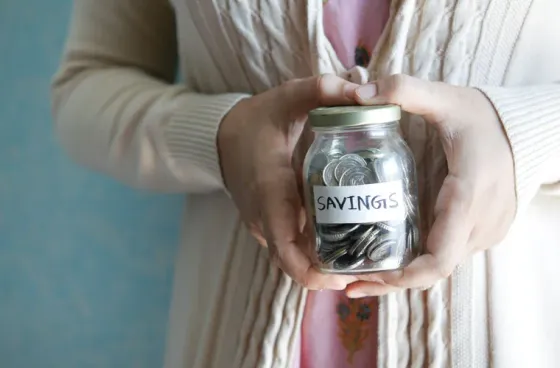
Leftovers deserve a pre-made decision too. Sweeping end-of-month remainders into savings or an extra debt payment turns discipline into visible progress, and visible progress is what keeps any method alive past the honeymoon. With 37% of adults unable to cover a $400 surprise from cash, per the Federal Reserve’s latest household survey, the leftover sweep is how an envelope budget quietly builds the cushion most households are missing.
Going digital without losing the point
Physical cash has real drawbacks: it earns nothing, online purchases cannot use it, and a lost envelope is just lost, with no fraud protection behind it.
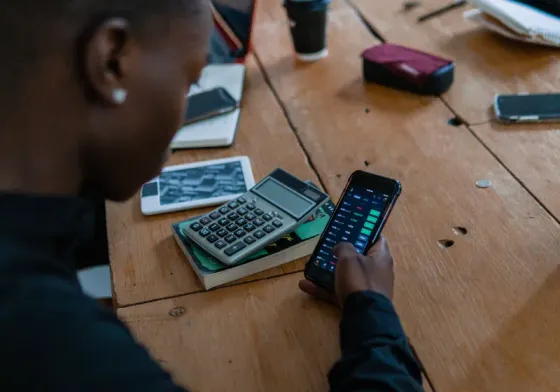
The digital translations keep the bones. Multiple sub-accounts at a bank that allows them, one per category, funded on payday. Prepaid or debit cards per category. Budgeting apps that show a declining balance per category and refuse you nothing but show you everything.
What digital loses is friction, the method’s active ingredient. So digital envelope users need one compensating habit: check the category balance before spending, not after. The glance is the digital handover of twenties. People who keep the glance keep the benefits. People who skip it have reinvented the ordinary debit card.
Where envelopes meet a credit card balance
Here is the awkward fit: the envelope method runs on debit and cash, but many people arrive at it precisely because credit cards got away from them, and a balance is already sitting there compounding at twenty-something percent.
Solve the two problems separately. The envelopes fix the spending going forward. The existing balance needs its interest stopped, and a balance transfer card with a 0% introductory window does exactly that, freezing the meter while you pay the principal down with a dedicated envelope of its own. Spending controlled, interest paused, balance shrinking on a schedule. That is the full repair. The envelopes were only ever half of it.