









What Bad Credit Means for Personal Loans
A credit score below 580 is generally considered poor credit. Between 580 and 669 is fair credit. In both ranges, most traditional banks and credit unions decline personal loan applications. The online lenders that approve you charge higher rates to cover the higher default risk you statistically represent.
Bad credit is not permanent. Most derogatory items, late payments, collections, charge-offs, fade in impact over time and fall off your credit report after 7 years. A steady run of on-time payments and careful credit management can move a score from poor to fair within a year and from fair to good in two to three years.
Knowing the timeline sets realistic expectations. If you need money now, you may have to take a higher-rate option today while you work on the score for the next loan.
Lenders That Serve Bad Credit Borrowers
Upstart uses an AI-driven underwriting model that weighs education, employment, and income alongside credit score. That lets it approve borrowers with limited credit history or scores as low as 580. Loan amounts run $1,000 to $50,000 with terms of 3 to 5 years. APRs swing widely based on the full profile.
Avant focuses on near-prime and subprime borrowers, approving credit scores as low as 550. Quick online applications, often funded within one business day. Rates are higher than prime lenders but transparent and disclosed before you accept the loan.
LendingPoint targets the 580 to 680 score range with a holistic underwriting approach that weighs employment and financial trajectory alongside credit score. Reports to all three credit bureaus, so steady payments work toward your credit recovery.
OneMain Financial offers secured and unsecured personal loans for borrowers with bad credit, including options secured by a vehicle. Physical branches in many markets, useful if you prefer in-person service. Rates are higher than prime lenders, but it approves borrowers mainstream online lenders decline.
Alternatives to High-Rate Personal Loans
If the rates available to you are too high, look at the alternatives. A credit-builder loan from a credit union or community development financial institution (CDFI) is built for credit building. Loan amounts run $300 to $1,000, held in a secured savings account while you make monthly payments. At the end of the term, the funds get released to you. The point: 12 to 24 months of positive payment history added to your credit report.
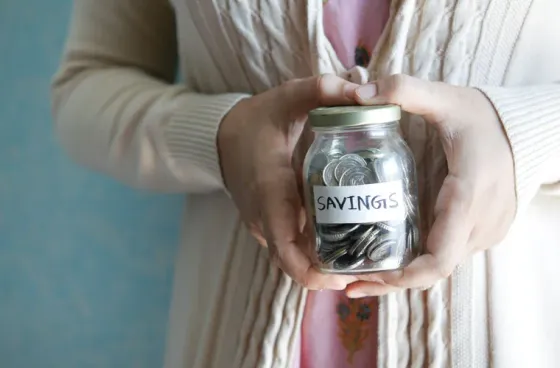
A secured personal loan using a savings account or CD as collateral can come in far cheaper than an unsecured bad credit loan. Many credit unions offer share-secured loans where your savings serve as collateral and you pay only 2% to 3% above the savings account rate.
Borrowing from family or friends is interest-free but carries relational risk. If you go this way, put the terms in writing, repayment schedule and any interest. Protects the relationship and creates accountability.
Use a Bad Credit Loan to Rebuild
If you take out a bad credit personal loan, run it as a credit-rebuilding tool. Turn on autopay so you never miss a payment. Every on-time payment builds positive history. A new installment account (better mix) plus a steady stream of on-time payments (payment history) can meaningfully move the score over the loan’s term.
After 12 months of clean payments, check whether you qualify for a refi to a lower rate. A 40 to 60 point score lift can drop your available rate hard, and refinancing knocks the total cost of the remaining balance down.